


There's a garden growing across your home, and the chances are you've never once thought to tend it. We're not talking about the flowerbeds outside, nor the pot plants on the windowsill, but the invisible one; the vast community of microbial life living on your kitchen counters, your bathroom tiles, your bedsheets, and even your own skin. It has been there the entire time you've lived in your home, working, competing, decomposing, coexisting, largely without your knowledge.
We are only beginning to understand what that means for how we live.
A Garden You Cannot See
When we hear the word 'garden,' we picture soil, stems, leaves reaching toward light. A garden, at its simplest, is really a living system in relationship with itself, organisms interacting with their environment and with each other, some helping, some competing, and some simply persisting. By that definition, your home already has one. It's just built from bacteria, fungi and other microorganisms rather than roses or sprouts.
This microbial community, referred to as the home microbiome, is a vast array of biological diversity. A kitchen counter hosts a different community than a shower drain, and a soft, damp bath towel supports different organisms than a dry wooden cutting board. Each surface in your home is its own small habitat, shaped by moisture, temperature, light, the materials it's made from and how often it's touched, cleaned or left alone. Walk from room to room, and you are, in a very real sense, moving through different neighbourhoods of an ecosystem.

Why We Learned to Fear Microbes
For much of the last century, the dominant story about household microbes has been that they are invaders, and clean means to ensure their absence. This thinking made sense in certain contexts. Targeted disinfection has been, and remains, essential for stopping the spread of harmful pathogens, particularly in moments of genuine risk. But somewhere along the way, that targeted caution hardened into something closer to a worldview, one where all microbial life became suspect, and total elimination became the standard we measured 'clean' against.
The problem with that standard is that it was never really achievable, and increasingly, we're learning it was never really desirable either. Surfaces recolonise within hours of being wiped down, and sterility, in the true sense of the word, is a laboratory condition, and it should not be our domestic goal.
What the Invisible Garden Actually Does
Emerging research into home and building microbiomes has shown that indoor microbial communities are shaped by the same forces that shape any ecosystem; sources of new organisms, competition for resources, and the conditions that let certain species thrive over others. Human skin, pets, plants, plumbing and the outdoor air moving through open windows all continuously seed our homes with microbial life. Far from being an accident, this constant exchange is closer to the normal, expected condition of a lived-in home.
Much of that exchange works in our favour. Beneficial microorganisms can compete with harmful ones for space and resources, a process called competitive exclusion, essentially crowding out less desirable populations simply by being there first and being well established. Others assist in breaking down organic residue before it becomes food for less welcome guests, or contribute to the kind of everyday equilibrium that keeps any one population from dominating unchecked. A balanced microbial community, much like a balanced garden, tends to be more resilient.
Balance Is The Goal
This is the shift at the heart of what we've been calling the invisible garden this season, especially as we move into spring and summer. We're using the metaphorical garden as a way to understand that a healthy home is not one scrubbed into microbial silence, but one in which a diverse, largely beneficial community is allowed to exist in equilibrium. Overcleaning, ironically, can undermine this. Stripping every surface as aggressively and as often as possible can leave it emptier, and an emptied ecosystem is often more vulnerable to being recolonised by whatever arrives next, good or bad.
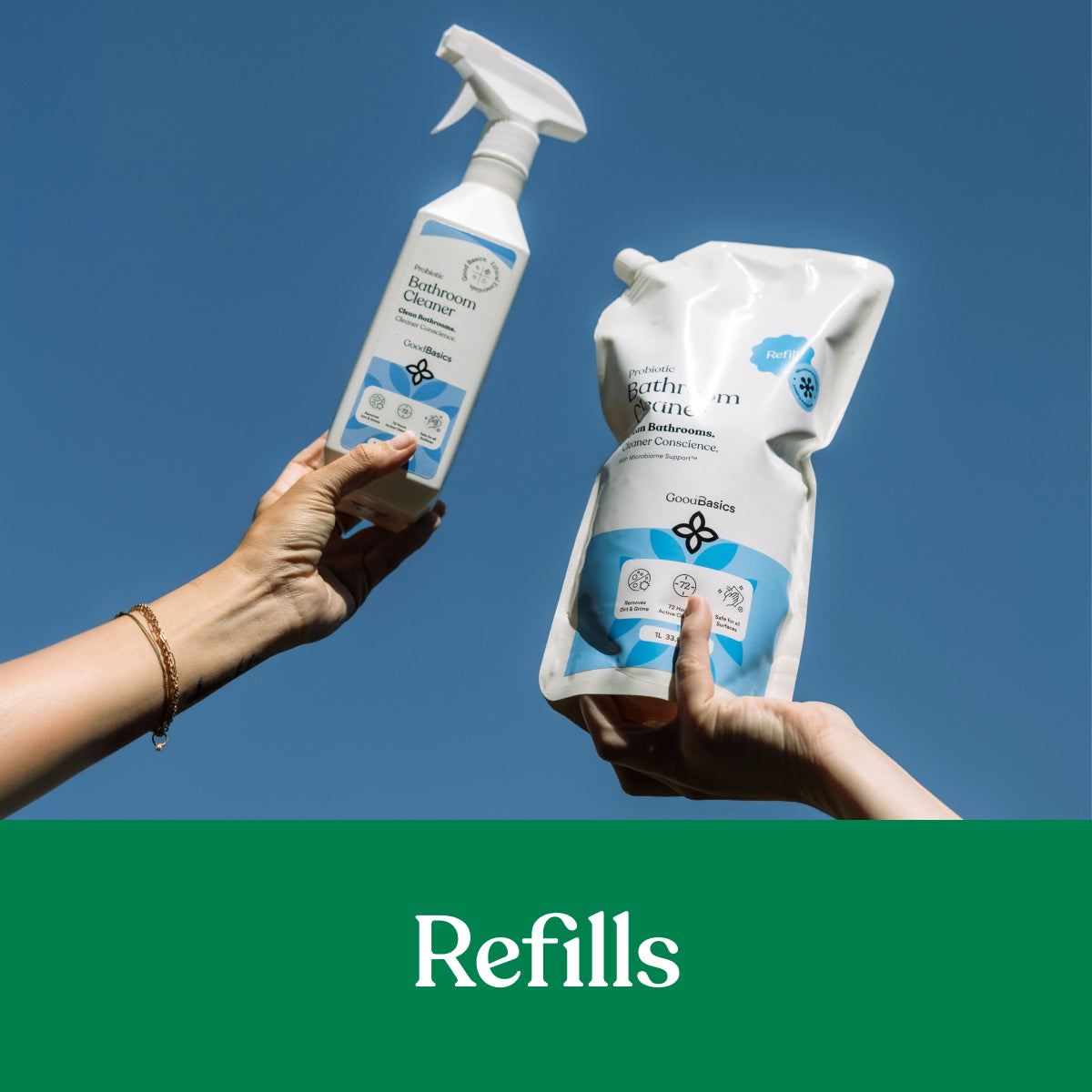
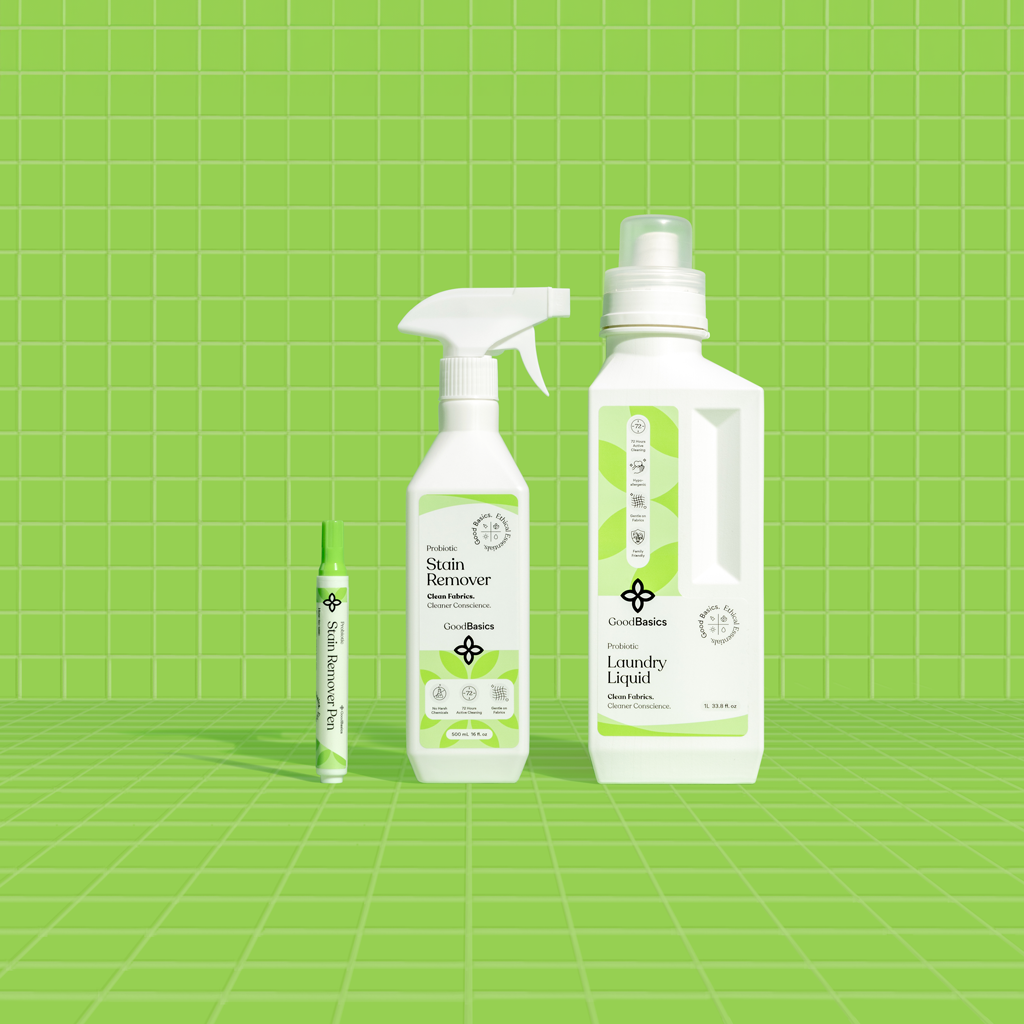
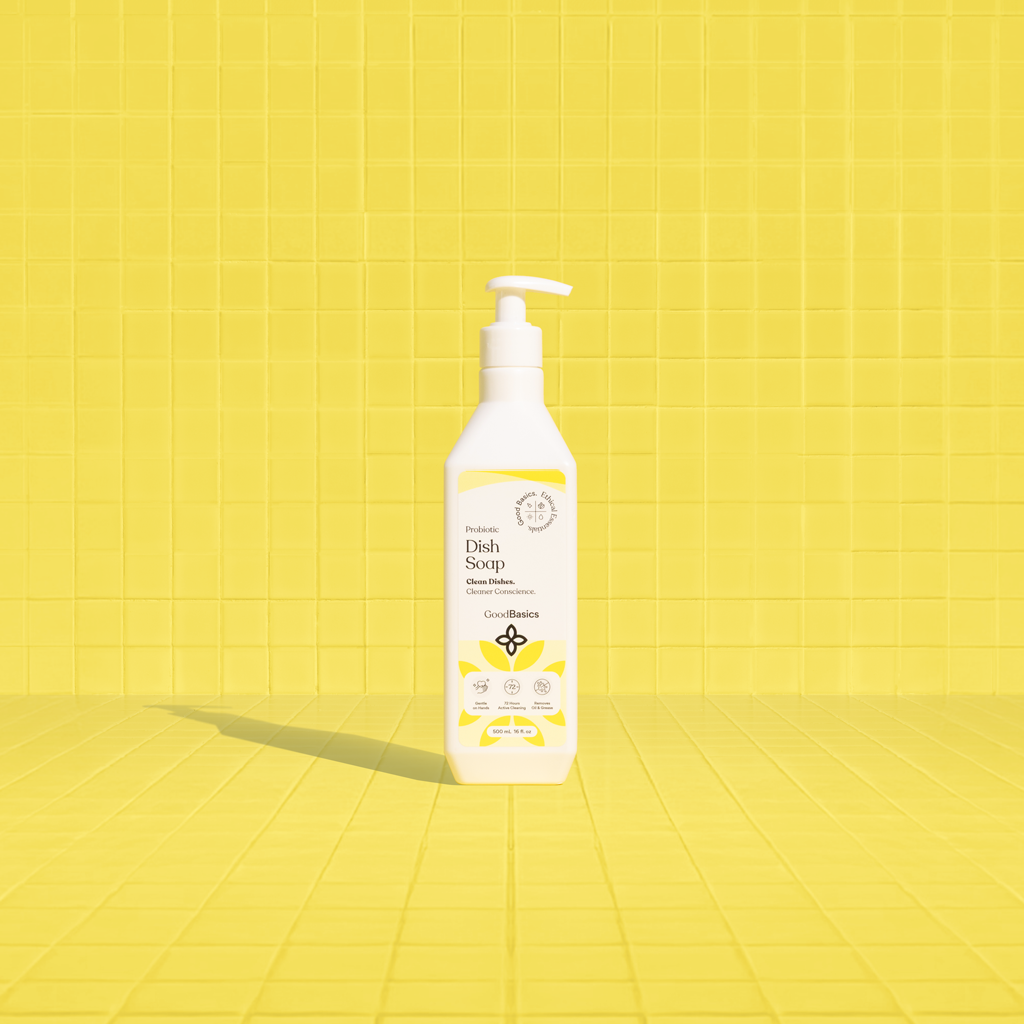
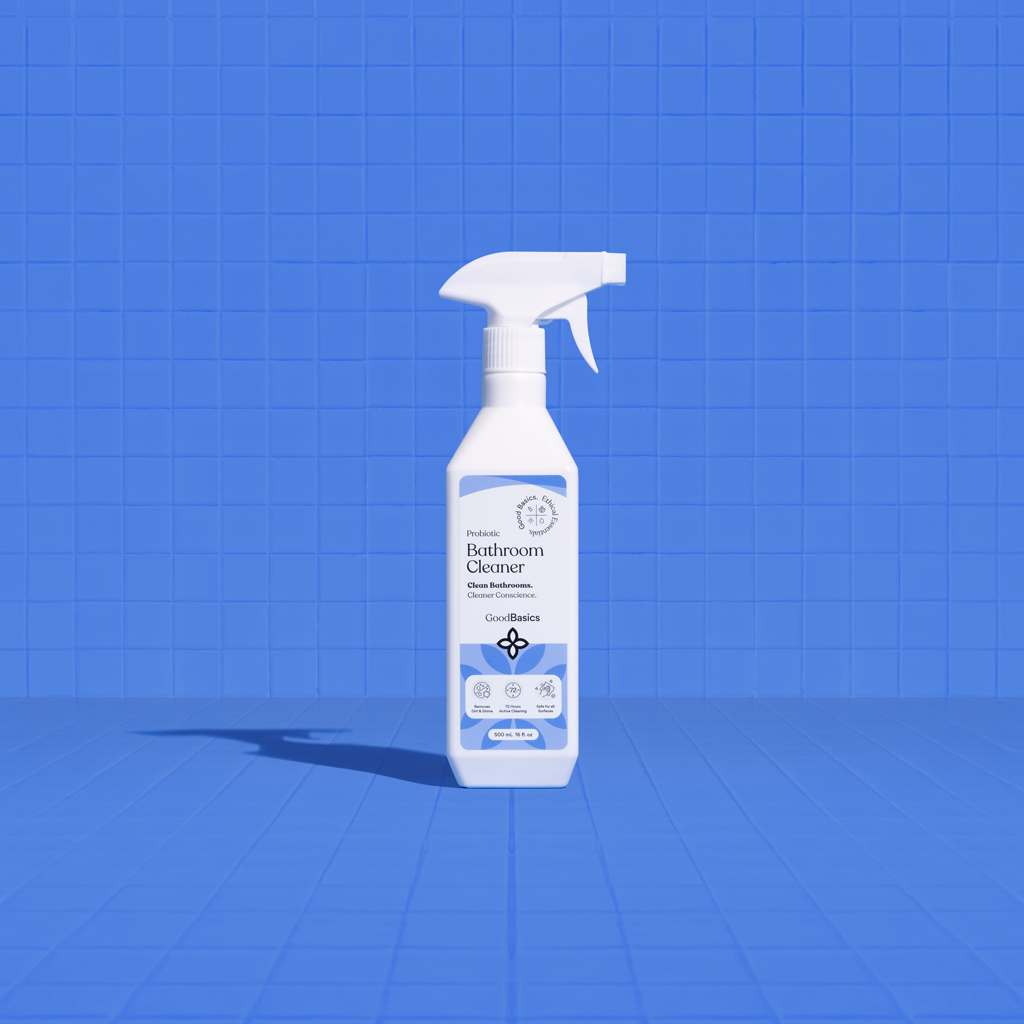
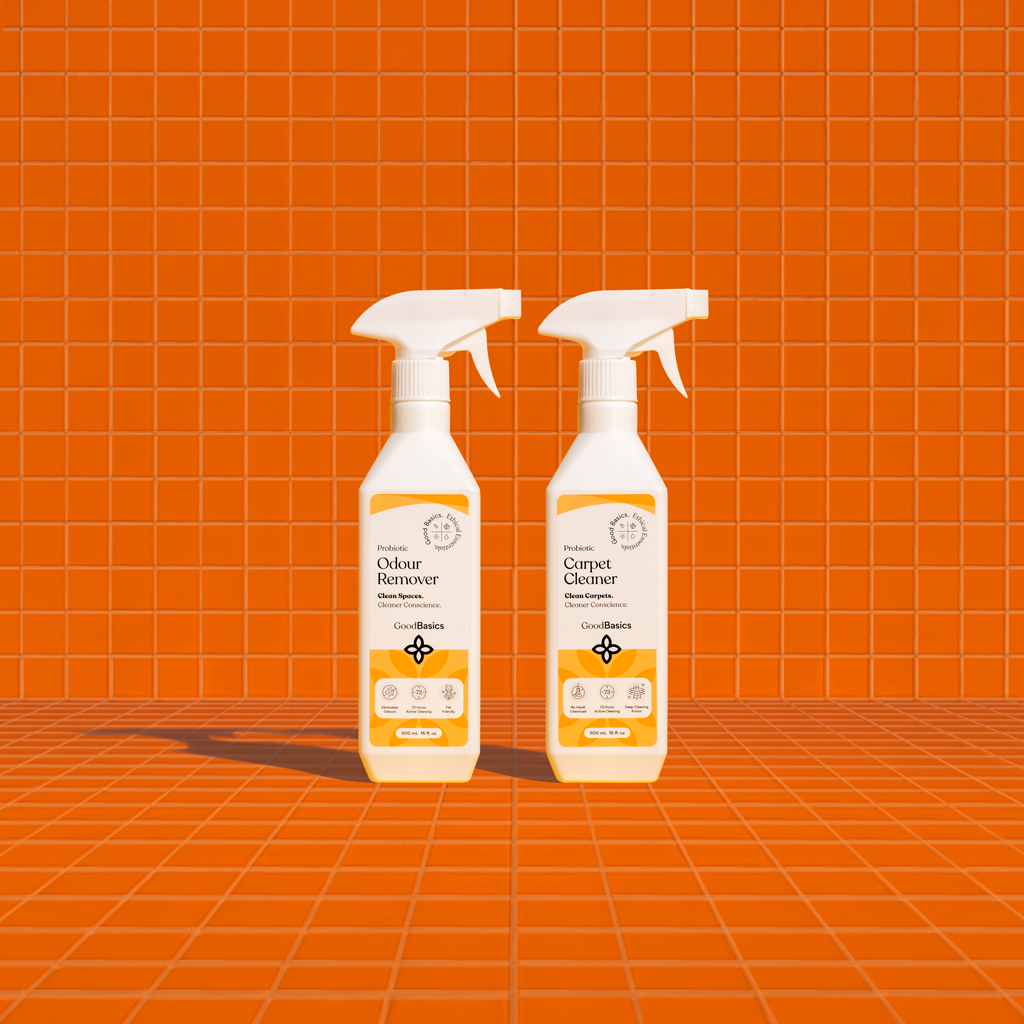
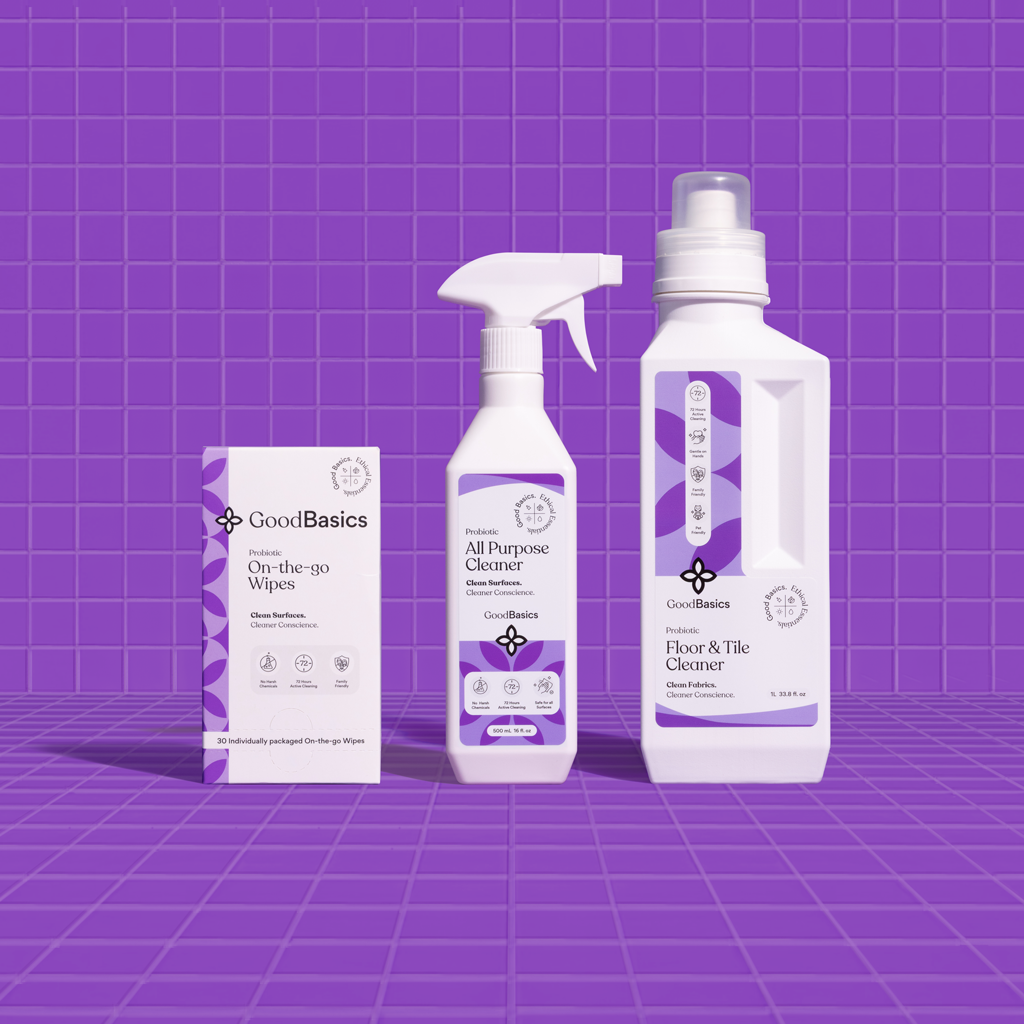
This is precisely why we formulate the way we do. Rather than clearing a surface and leaving it empty, our probiotic formulas introduce a concentrated population of beneficial microorganisms that keep working long after the cloth's been put down. They compete for space and resources with less desirable organisms, breaking down residue, and helping each surface settle into balance. For us, this is what effective cleaning should mean; leaving a home a little better equipped to maintain its own equilibrium, long after we've moved on to the next room, all the way offering high-performance cleaning.

Tending What We Cannot See
Gardens require tending, because our attention shapes what grows and what doesn't. The invisible garden across our homes is no different. Every choice we make, what we clean with, how often, how aggressively, shapes which organisms flourish and which don't. This is our invitation to think of our homes as though we are all gardeners; tending to our spaces with care, rethinking cleaning as an act, a celebration of our homes, as we cultivate the right kind of balance within it. This might look different for each of us, but the principles remain the same.
This spring, as we open our windows and let more of the outside world back in, we're choosing to think of our homes like the living systems they've always been. We hope you'll consider your own invisible garden a little differently too.

Leave a comment
All comments are moderated before being published.
This site is protected by hCaptcha and the hCaptcha Privacy Policy and Terms of Service apply.