



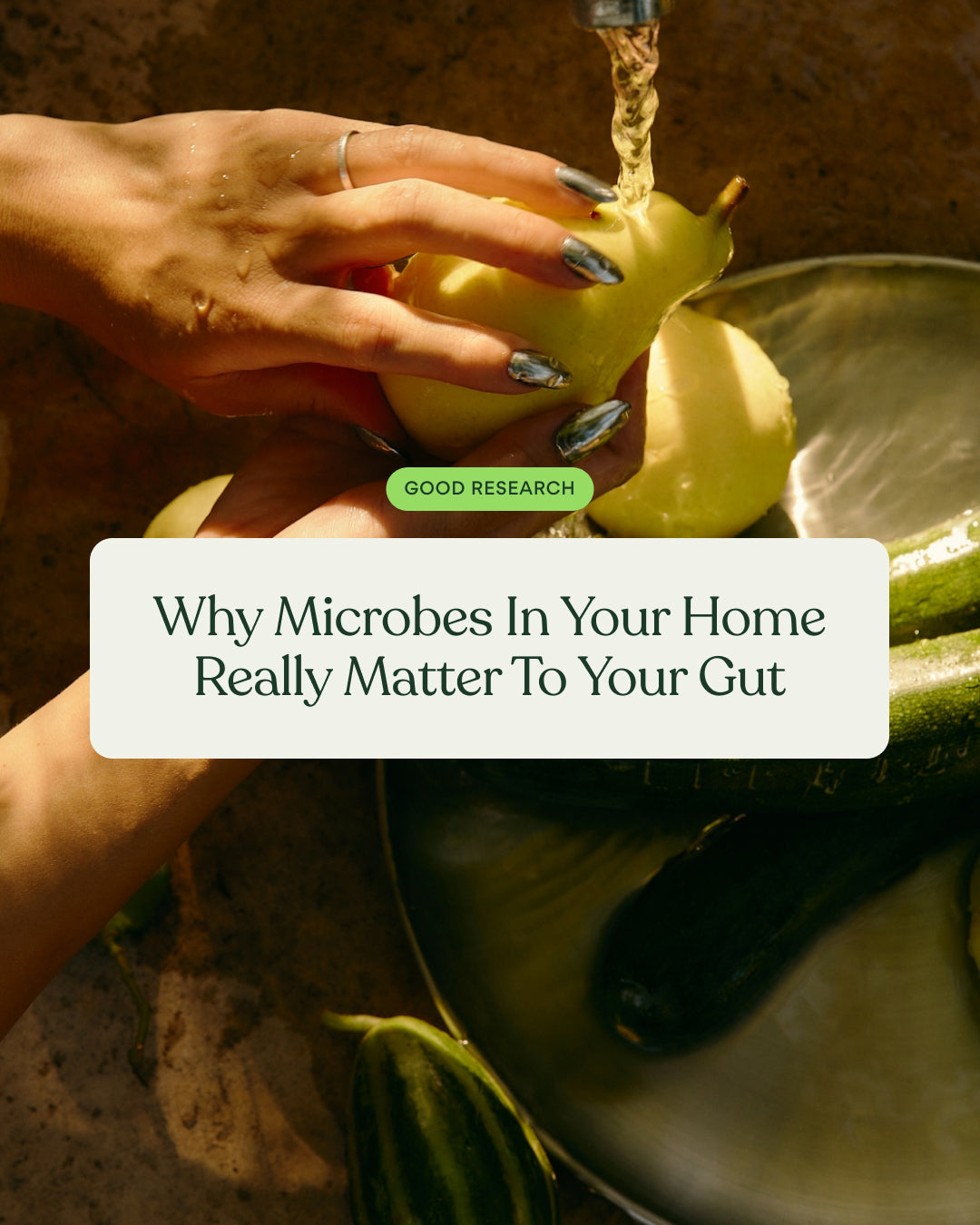
‘Gut health’ is a mainstream concept. It lives in our fridges and on our kitchen counters: in probiotic yoghurts, kefir and kombucha; in sourdough starters, kimchi jars, and apple cider vinegar rituals. It’s in the rise of brands like Bluum and B-Well, and in the way we’ve collectively learned to read labels for words like live cultures, fermented, and prebiotic. What was once a niche or alternative is now everyday language, a sign that, culturally, we’ve begun to understand that health is about what we cultivate.
This cultural shift reflects a much deeper scientific reorientation. For most of modern medical history, microbes were framed almost exclusively as enemies: something to be eliminated, disinfected, or kept at bay. Over the last two decades, microbiome science has fundamentally changed that picture. We now understand that the microbes we coexist with as active participants in our biology - collaborators in the basic processes that keep us alive and well.
The trillions of bacteria, viruses, and fungi that live inside the gut influence digestion, immunity, metabolic balance, inflammation regulation, and even mental health. They help break down fibres we cannot digest on our own, produce essential vitamins and metabolites, communicate with our immune system, and even interact with our nervous system. In fact, these organisms outnumber our own human cells, and together they form a complex internal ecosystem that is a living landscape; one that must be tended, supported, and kept in balance rather than controlled through force.
This is why gut health has become such a powerful cultural metaphor. It has taught us that wellbeing is achieved through ecology: by fostering the right conditions for beneficial systems to flourish, and by understanding the body as a habitat rather than a battlefield.
What’s becoming increasingly clear, however, is that this microbial story doesn’t stop at the boundary of the body. Much like the ecosystems inside us shape our health, the microbial life in our built environments, the homes we live in - shapes the exposures that help train, balance, and support our internal ecosystems. In other words: the home is part of the same extended biological system as your gut health.
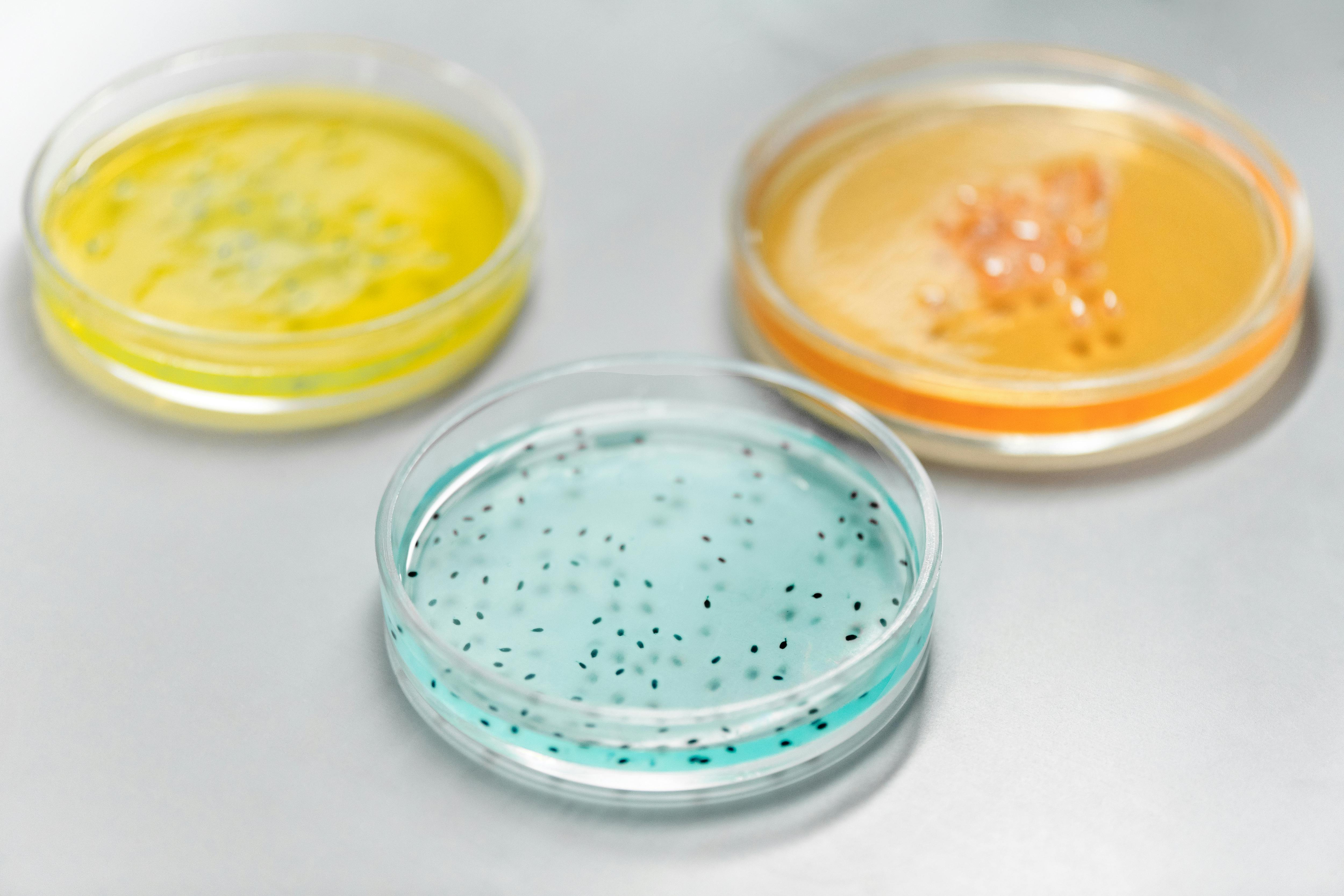
Every day, whether we are aware of it or not, we are in constant microbial exchange with our homes. With every breath we take, every surface we touch, and every meal we prepare, we inhale, ingest, and absorb the microbial life of our surroundings. These environmental microbes become part of the exposures that train, shape, and regulate both the gut microbiome and the immune system. Dust particles, air, fabrics, countertops, and skin contact all act as subtle but continuous pathways through which microbial information flows into the body. Over time, these everyday encounters help determine which microbes take up residence in us, how diverse our internal ecosystems become, and how well our immune system learns to distinguish between what is harmless, what is helpful, and what is truly a threat.
Urbanisation, sanitised living spaces, and decades of over-sterilisation are associated with reduced exposure to environmental microbes. This has been linked to rising rates of immune disorders, inflammatory conditions, and metabolic disease globally, in part because our bodies co-evolved alongside rich microbial environments and still depend on these contextual microbial cues. This perspective intersects with ideas like the ‘old friends hypothesis,’ which suggests that reduced exposure to diverse environmental microbes in modern lifestyles may underlie the growing prevalence of immune and inflammatory diseases.
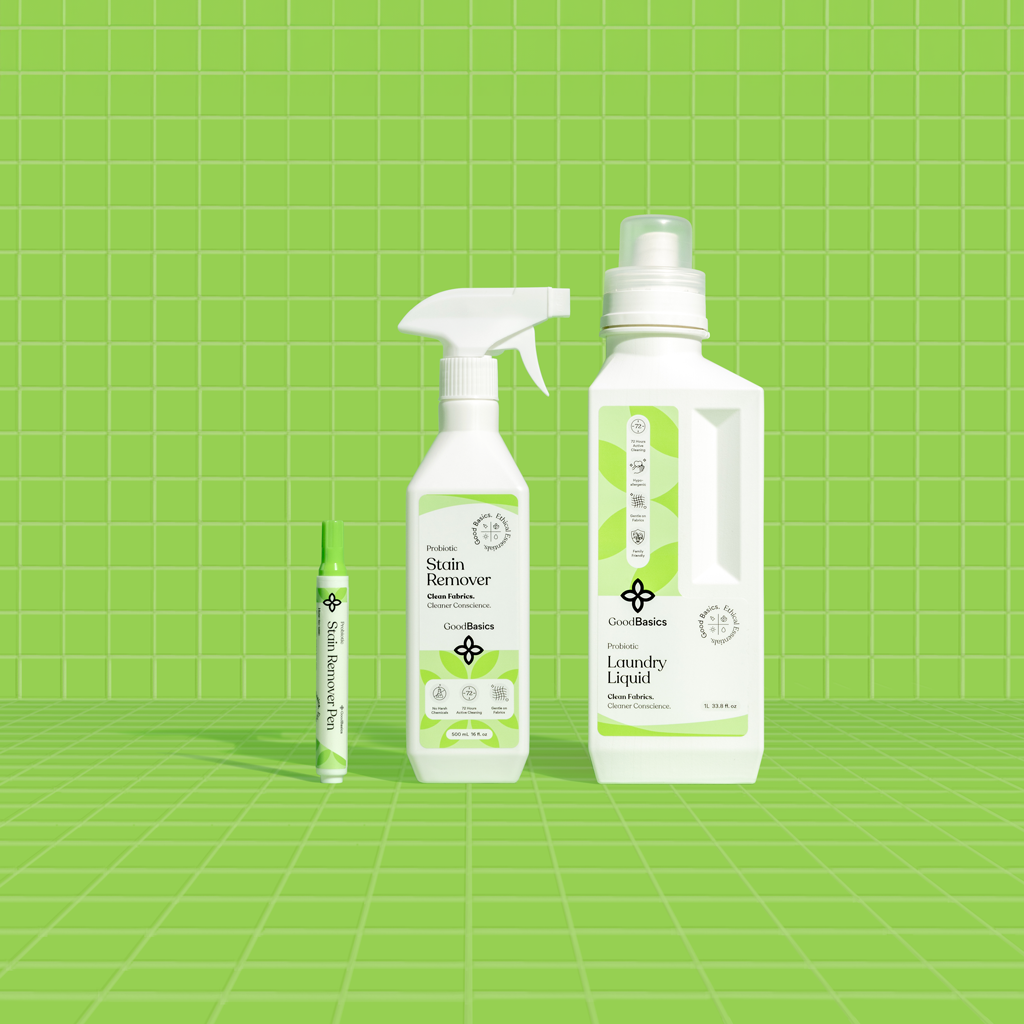
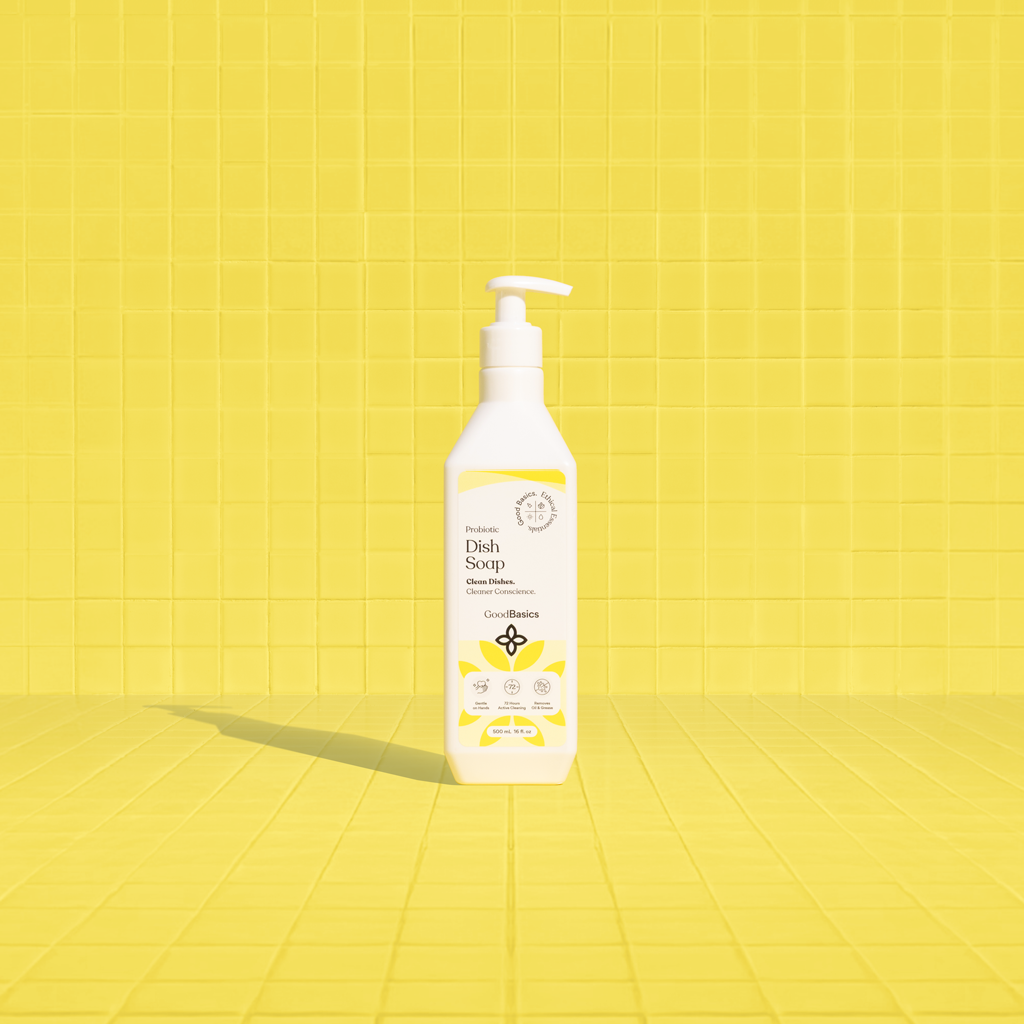
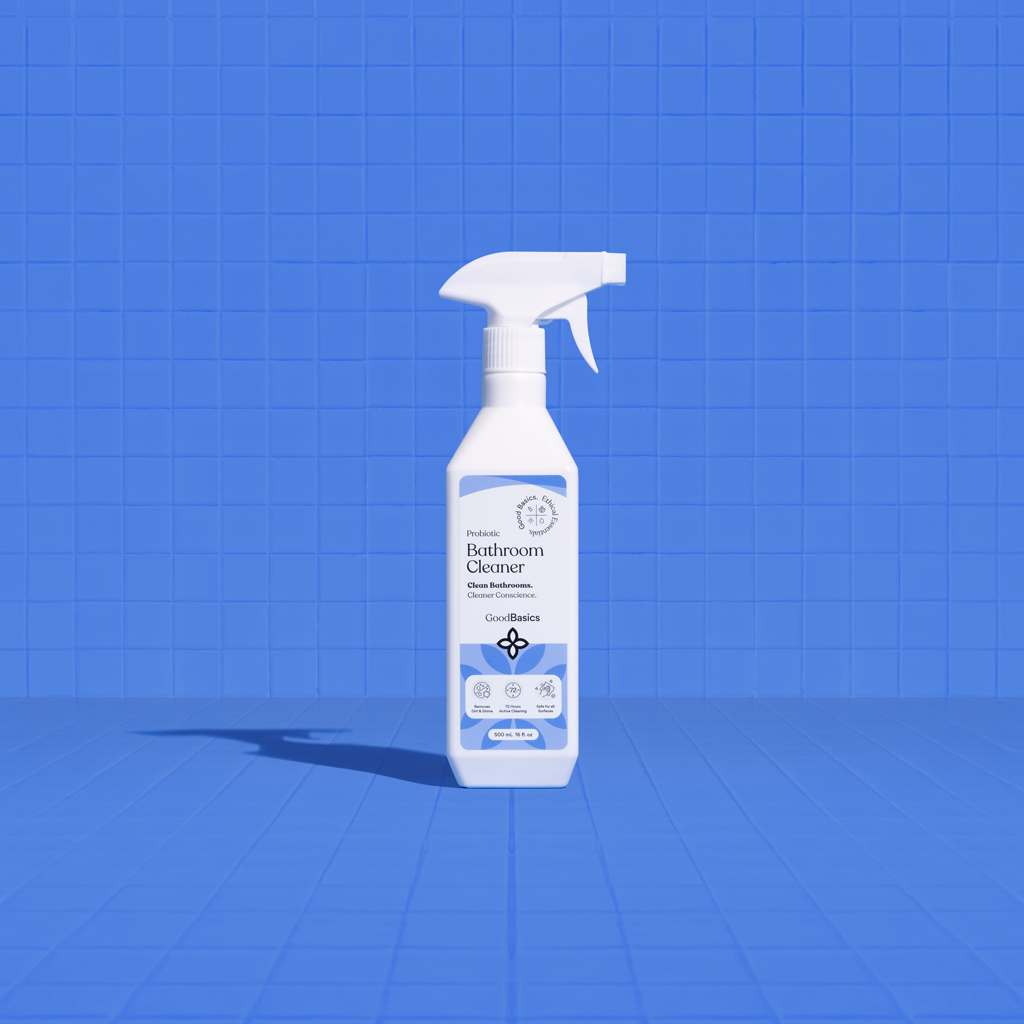
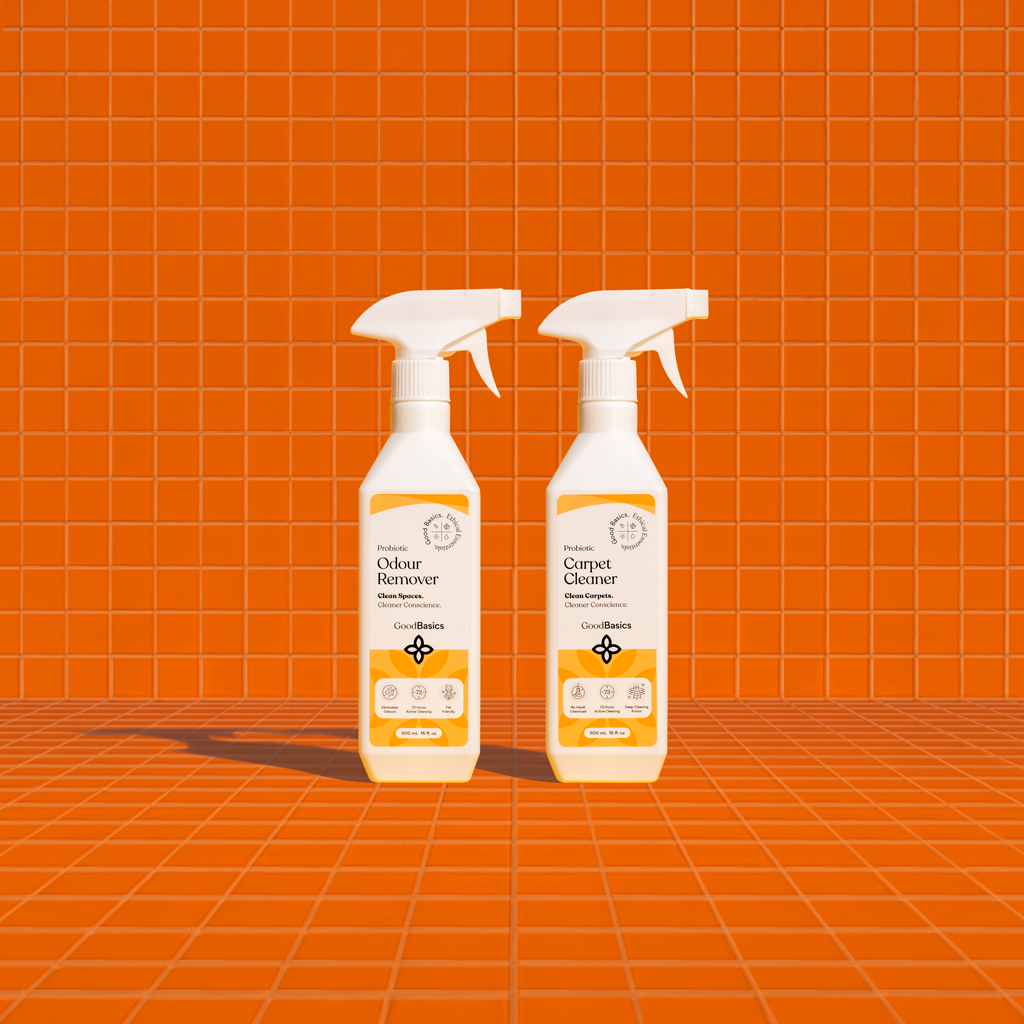
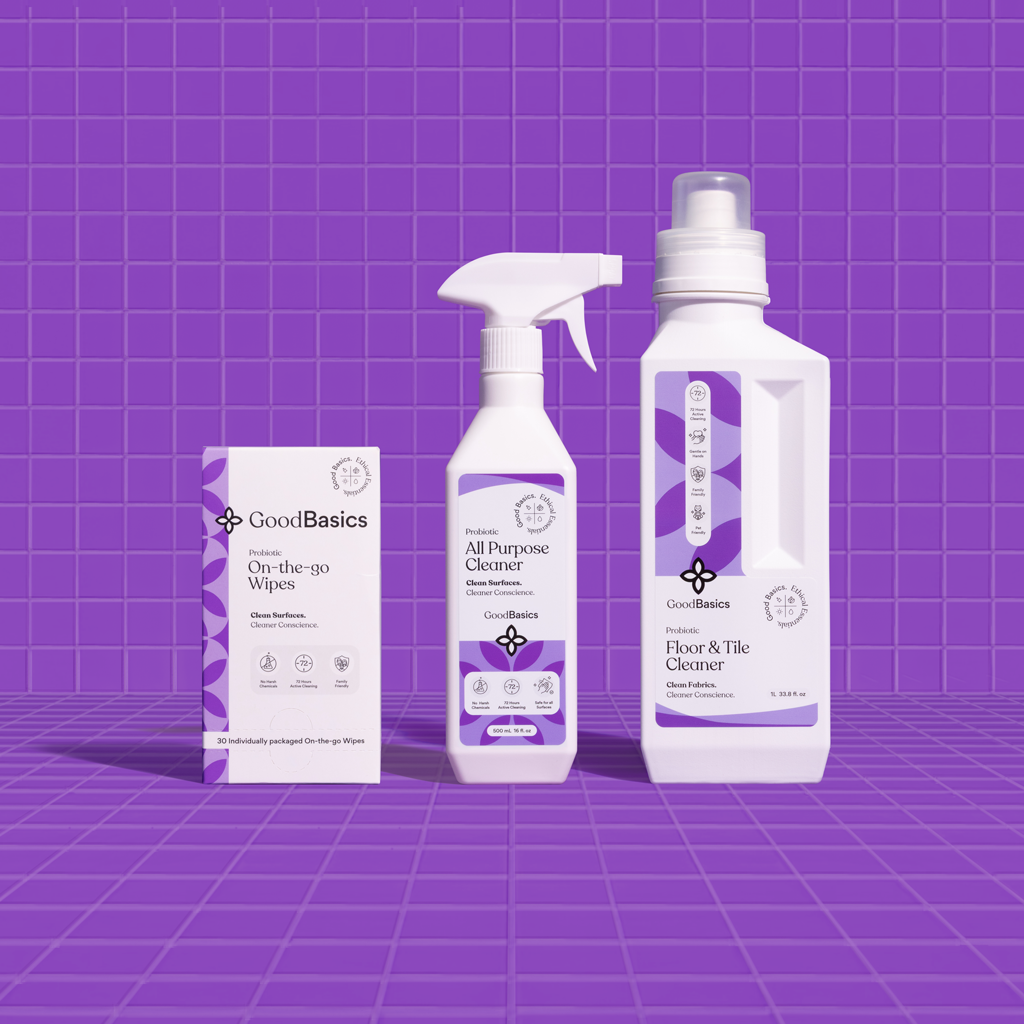
If the home is part of our extended microbiome ecosystem, then how we tend to its microbial life matters. Traditional disinfectants are designed to eliminate microbes indiscriminately; including beneficial ones that could contribute to a more balanced and resilient environmental microbiome. Probiotic cleaning shifts this paradigm by introducing non-pathogenic, beneficial microbes that help establish stable microbial communities on surfaces. This approach directly echoes how we now support gut health, through cultivating balance and resilience.
By nurturing microbial balance around us, we create environments that support healthier microbial exposures within us, helping to train immune tolerance, discouraging opportunistic pathogens, and contributing to overall wellbeing.
Health, in this view, includes the microbial context that we live in every day. Homes are sterile living ecosystems, when we treat them thoughtfully, we support ourselves in ways that extend from our skin to our gut and beyond.
In this light, probiotic cleaning is an act of ecosystem care as vital for your long-term health as your daily probiotic.

Leave a comment
All comments are moderated before being published.
This site is protected by hCaptcha and the hCaptcha Privacy Policy and Terms of Service apply.