

Sensitive skin is shaped by many factors, from genetics, to stress and the products we apply directly to the body, but it is just as much an environmental story, determined by the spaces we inhabit. When eczema flares, when redness appears unexpectedly, or when skin becomes dry, reactive or prone to itching and irritation, our instinct is usually to look inward; to the creams, serums and treatments designed to soothe inflammation and restore comfort.
While these solutions are often necessary, they tell only part of the story. Increasingly, we are beginning to recognise a broader truth; the environments our skin lives within also shape how it behaves. At GoodBasics, this environmental dimension of skin health and its connection to how we clean our homes, is a growing area of curiosity and possibility.
Our skin is the body’s largest organ, a living and highly intelligent system that regulates temperature, supports immune responses and forms the first line of defence between the body and the outside world. Conditions such as eczema, contact dermatitis and chronic sensitivity often arise when this protective barrier becomes disrupted, and when the skin is repeatedly exposed to irritants, allergens or environmental stressors that challenge its ability to maintain balance.
But the skin does not, and cannot, exist in isolation from the world around it. Every day it encounters the environments we move through; the surfaces where food is prepared, the floors children crawl across, the fabrics we sit and sleep on, and the air that circulates through our homes. Each of these spaces carries traces of the substances used to clean them, and residues can remain long after a product has dried, forming a subtle environmental layer that our skin interacts with continuously.
At the centre of the skin’s protective system is the skin microbiome; a diverse community of beneficial microbes that help regulate inflammation, support immune responses and defend against harmful pathogens. The environments we live in, including the products used to clean them, shape the microbial conditions our skin exists within. When harsh chemicals repeatedly disrupt these ecosystems, both the home microbiome and the skin microbiome can become less stable.
The skin barrier itself is a beautifully complex structure. Alongside this microbial community are natural lipids that maintain moisture and structural integrity, as well as immune cells that monitor environmental signals. Together they form a delicate but remarkably resilient ecosystem.
When the barrier is healthy, the skin can respond calmly to everyday exposures. But when it becomes disrupted, through dryness, irritation or repeated contact with harsh substances, the system becomes more reactive. Dermatological research shows that repeated exposure to irritants such as bleach, ammonium-based detergents and other cleaning chemicals can damage the skin barrier by removing protective lipids and increasing transepidermal water loss, leaving the skin more vulnerable to environmental stressors.
Researchers studying irritant contact dermatitis have even described what they call the microbiome–stress–allergy axis, recognising how disruptions to the skin barrier can cascade into broader immune responses. Their work shows that detergents and chemical irritants can interfere with the microscopic junctions between skin cells, altering skin pH and weakening the barrier that protects against allergens and environmental irritants. This disturbance can extend to the skin microbiome itself; the community of microbes that helps regulate inflammation and immune balance. When this microbial ecosystem becomes unsettled, allergens can penetrate more easily, contributing to inflammatory skin conditions such as eczema and chronic sensitivity.
At the same time, biological science has undergone a profound shift. Increasingly, researchers recognise that the human body exists in constant exchange with the vast microbial world that surrounds it. At GoodBasics, this idea of interdependence sits at the centre of how we think about health, and it underpins our vision for cleaning.
This is particularly true in the spaces we inhabit every day. We refer to the microbial communities inside buildings as the home microbiome; a living ecosystem shaped by the people and animals who live there, the microscopic bacteria, fungi and other microorganisms that inhabit the space, as well as the materials within the home, ventilation patterns and, importantly, cleaning practices.
Our skin exists in continuous conversation with this environment. We touch surfaces, breathe indoor air, sit on fabrics and interact with dust particles that move through our homes. Through these countless small interactions, the microbes in our homes and the microbes on our bodies influence one another. When we change that environment (particularly through the substances we introduce to clean it) we also influence the conditions our skin lives within.
Cleaning framed as a broad battle against microbes is outdated, and built around the assumption that all bacteria should be treated as harmful. This way of thinking sits increasingly at odds with what science now tells us about microbial ecosystems.
In nature, healthy systems are rarely sterile. Forest soils, oceans, plant roots and the human body all depend on diverse microbial communities functioning in balance. When harsh disinfectants are used repeatedly throughout the home, they may reduce this microbial diversity while leaving behind chemical residues on surfaces and fabrics.
Over time, environments cleaned this way can become chemically aggressive while simultaneously lacking the balanced microbial ecosystems that support natural resilience. Cleanliness, it turns out, is not the same as sterility.
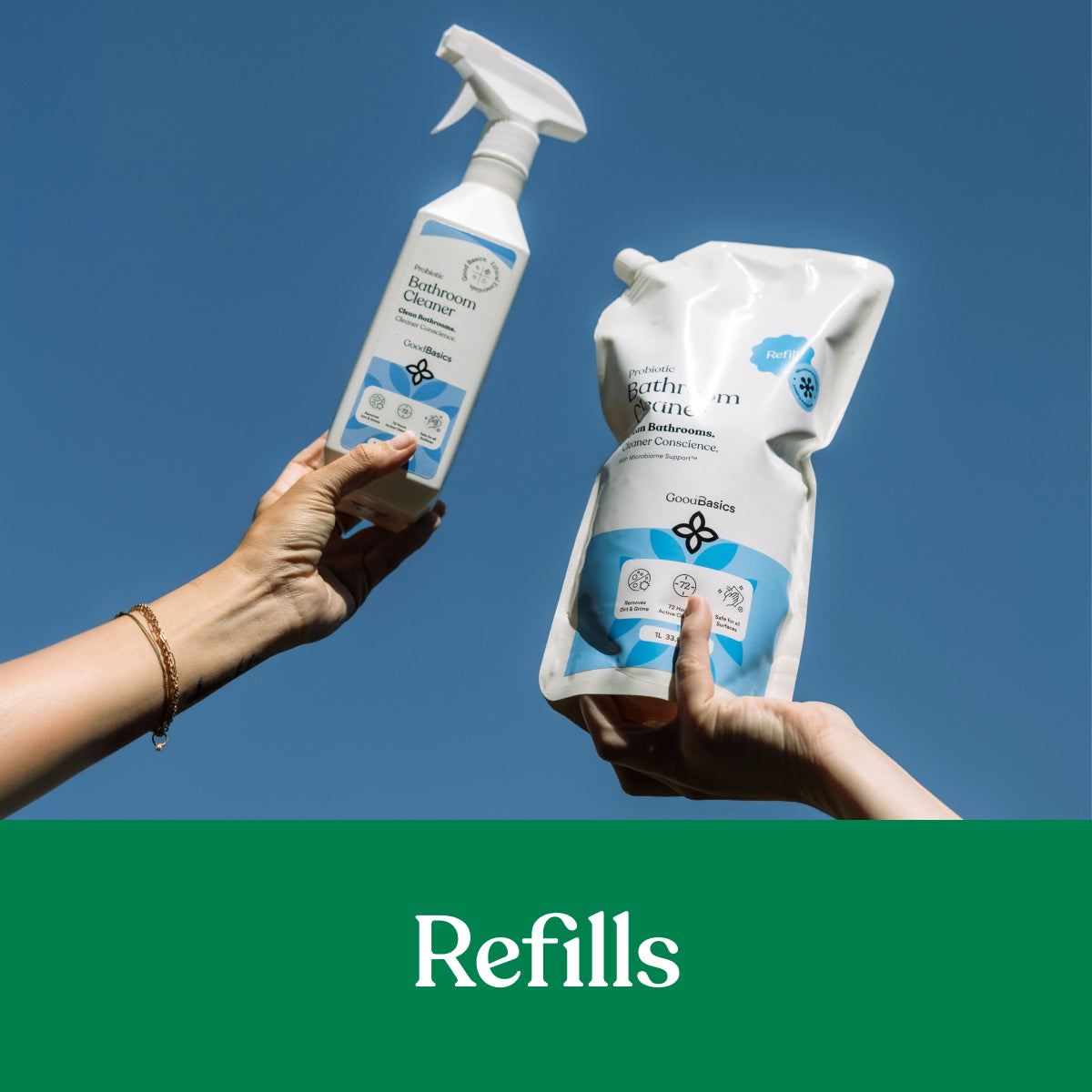
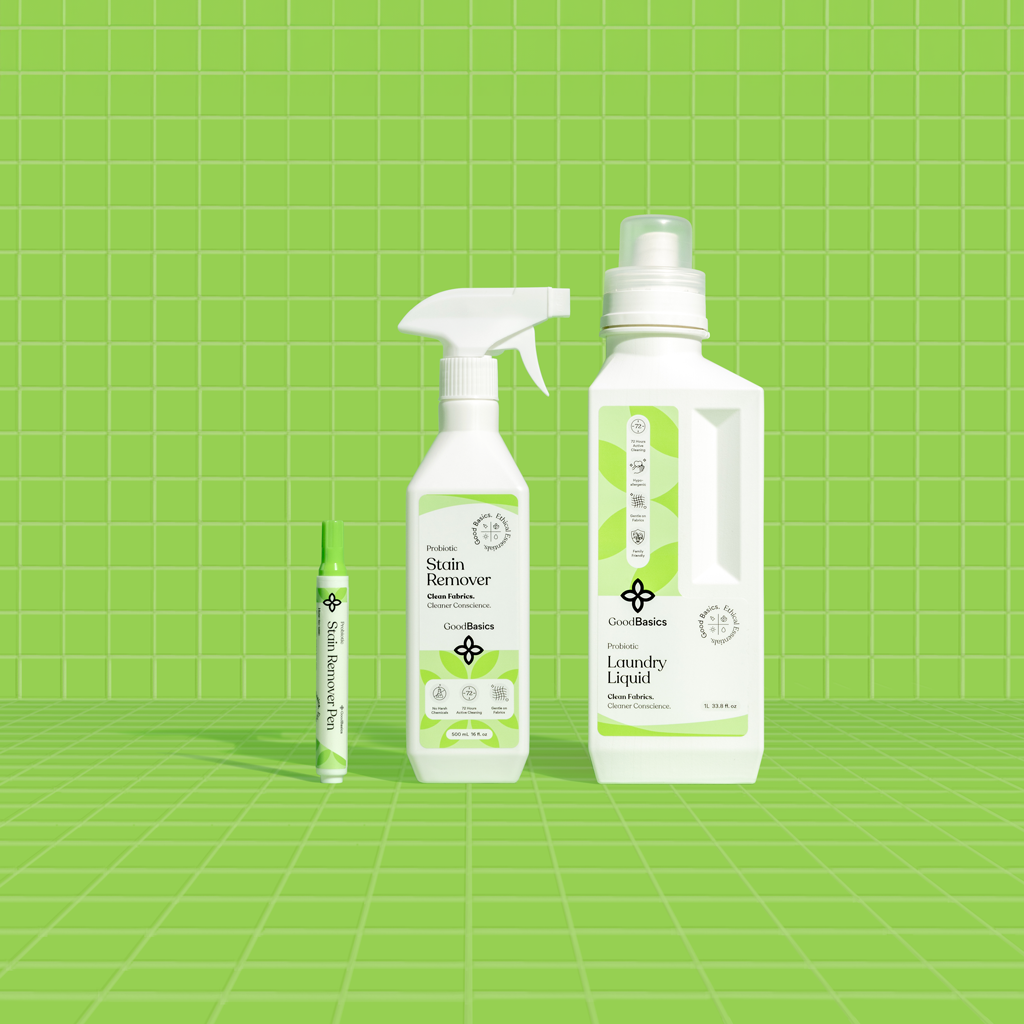
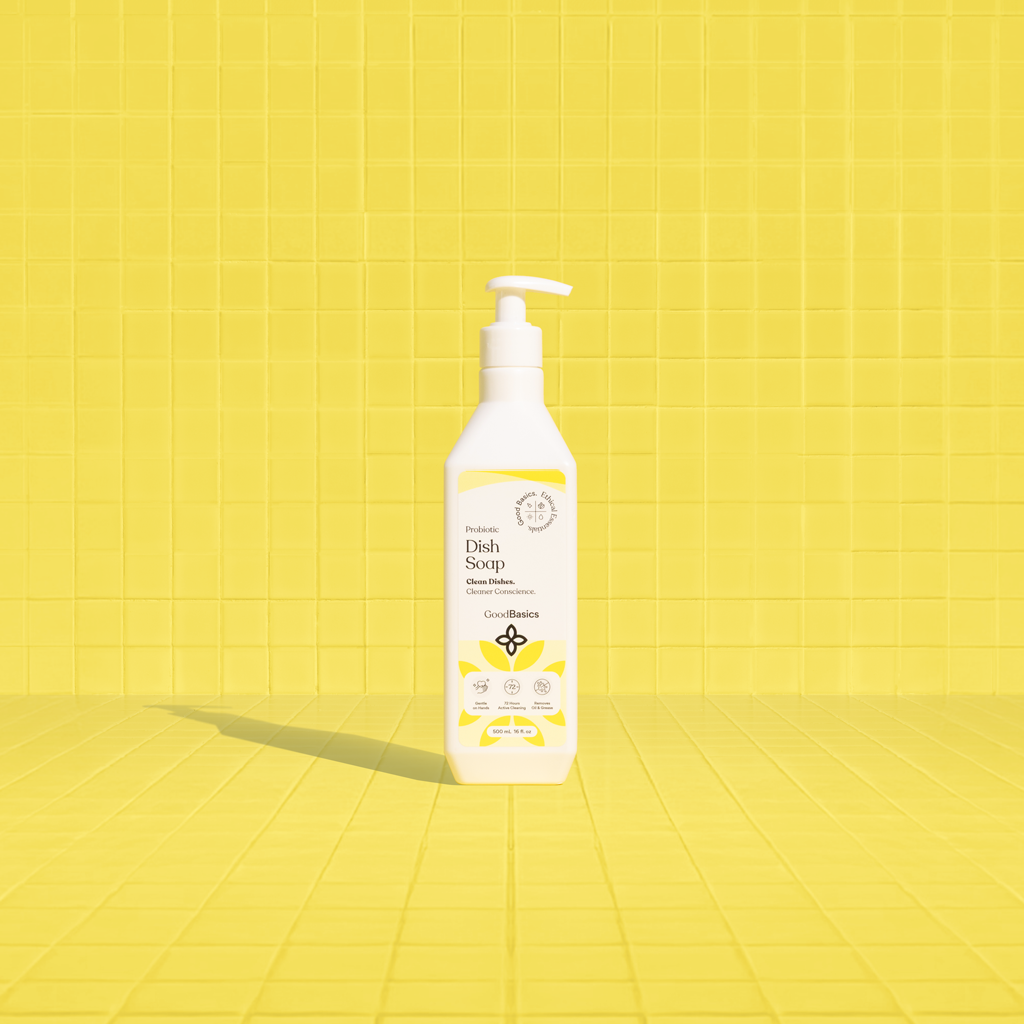
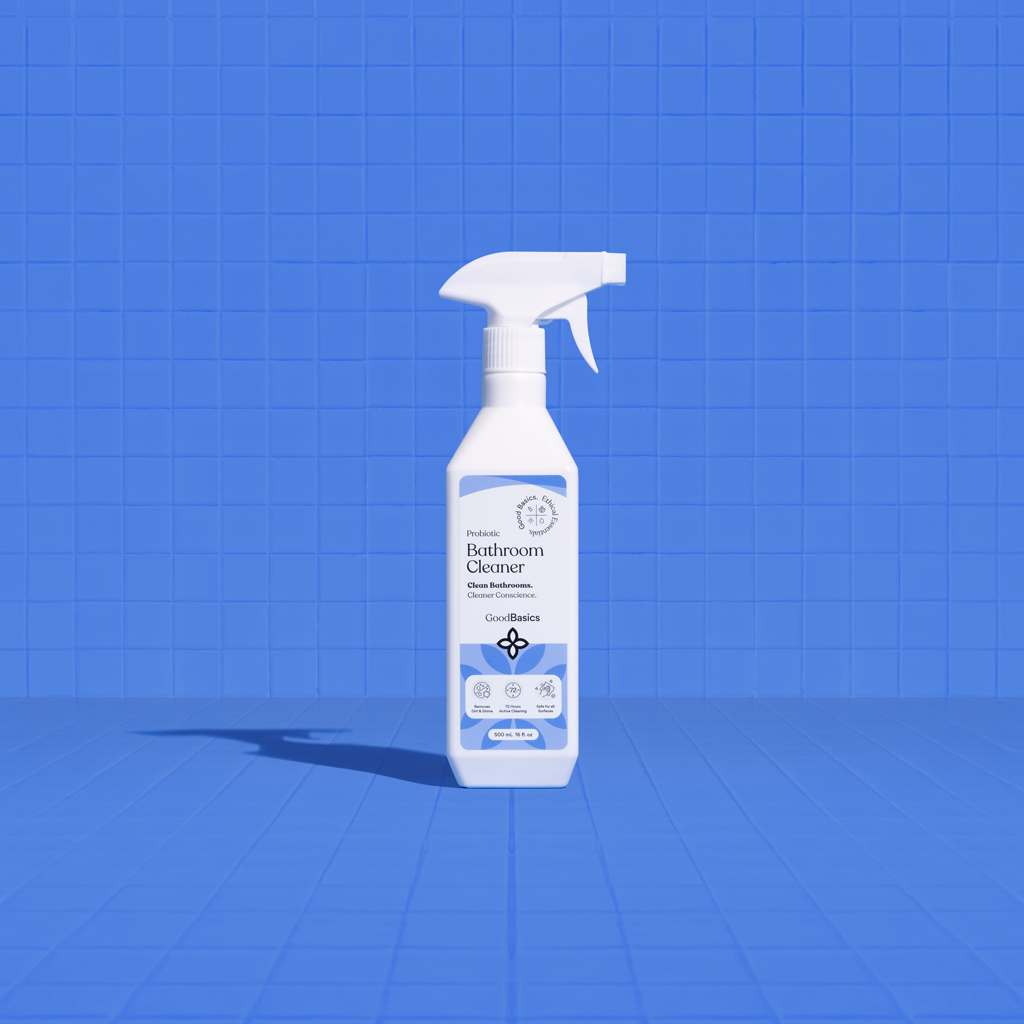
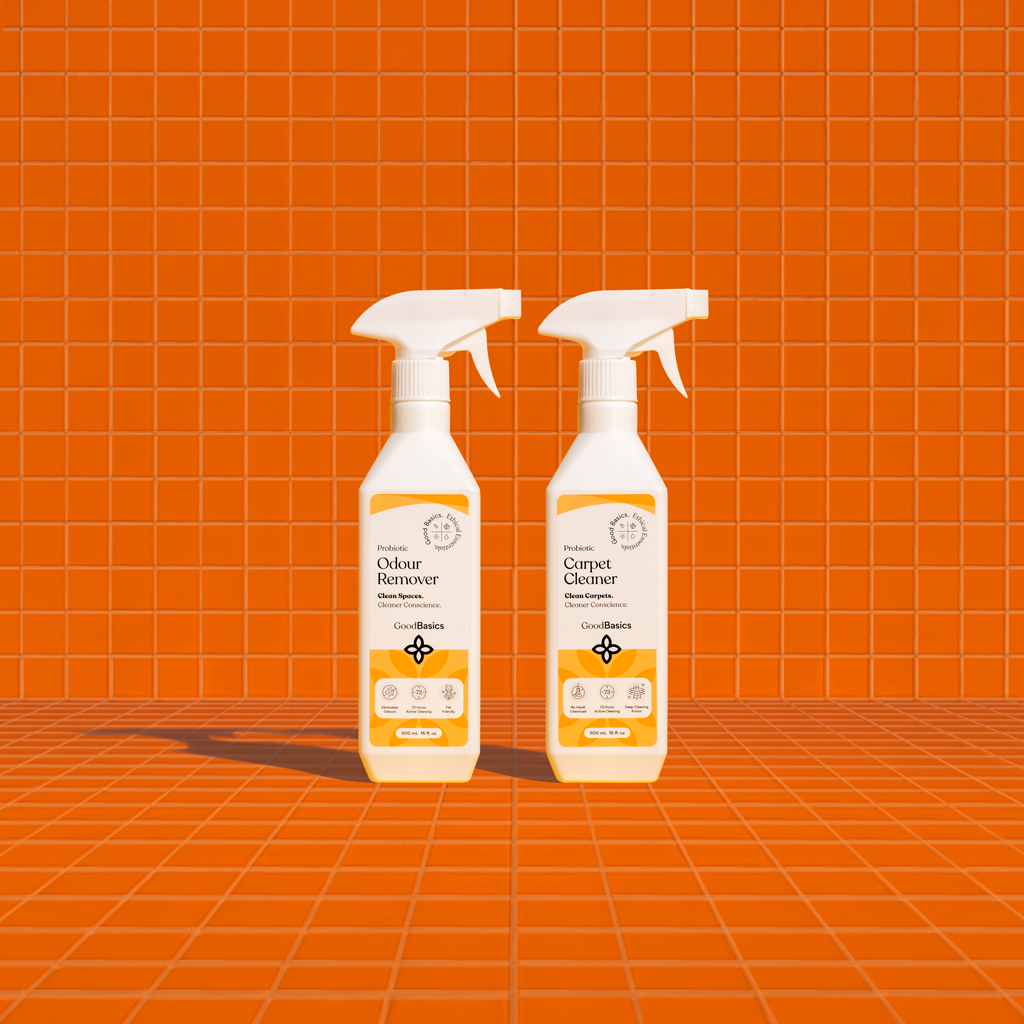
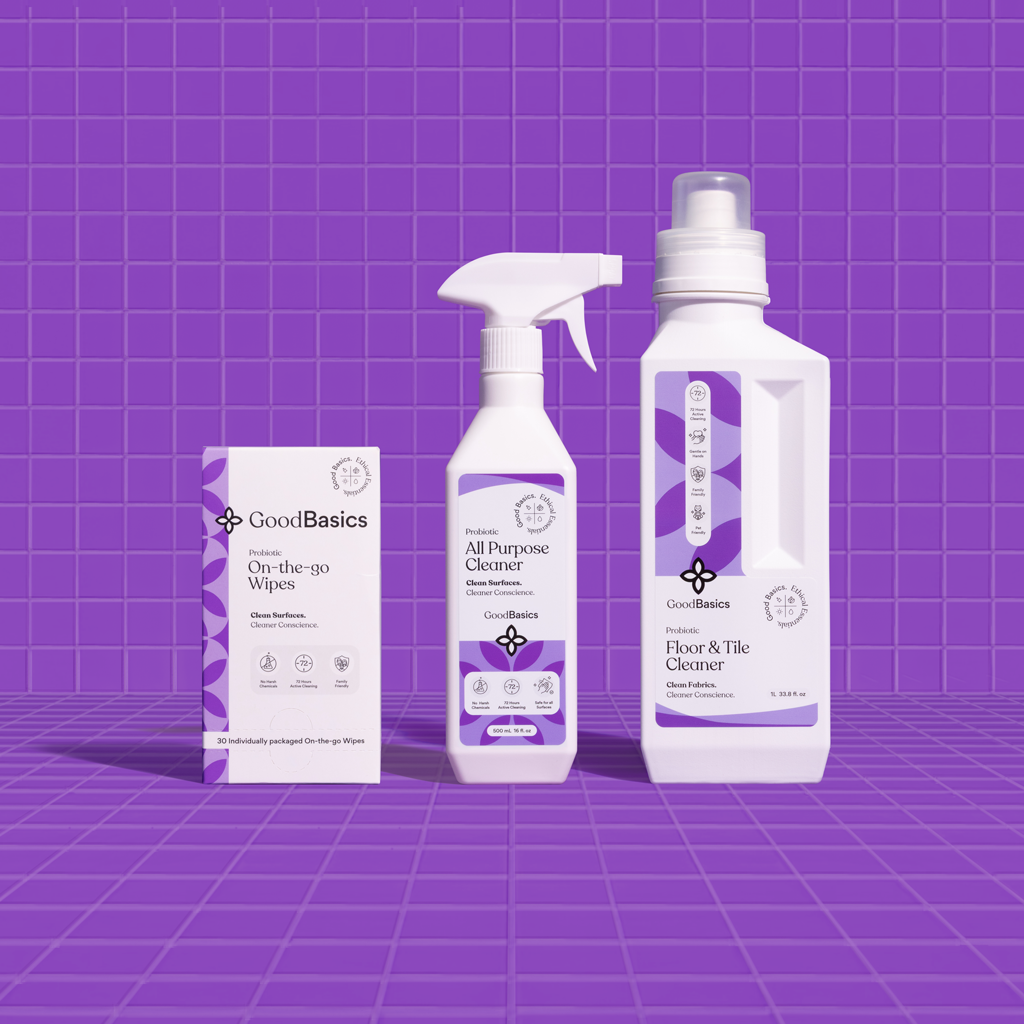
This is where probiotic cleaning offers a different perspective. Rather than attempting to eliminate all microbes, probiotic cleaning introduces beneficial bacteria that help support microbial balance within the home. These helpful microbes work through natural biological processes, breaking down organic matter such as food residues and dirt, producing enzymes that digest the compounds responsible for stains and odours, and competing with unwanted bacteria for space and resources. Unlike chemical cleaners that stop working once they dry, beneficial microbes continue functioning long after the cleaning process is finished, gradually stabilising the microbial ecosystem of the home.
We are continually exploring the many microbiomes that shape everyday life, from the gut to the skin and into the environments we inhabit, in order to bring our homes back into closer alignment with the biological systems we are part of.
A healthy home environment is one where the right conditions allow beneficial microbial communities to stabilise and support the wider ecosystem of the space. When this balance is present, it can also support the skin’s own natural resilience, helping the barrier remain calm, intact and better able to respond to the everyday exposures of life.
At GoodBasics, we believe your cleaning rituals are just as important as your skincare routine. For those experiencing skin sensitivity, allergies or irritation, reconsidering the products used to clean everyday spaces can be a meaningful place to begin. When we recognise that our skin exists within the ecosystem of the home, cleaning becomes part of a deeper ritual of wellbeing.
Will you begin to care for your skin by caring for the environment it lives in?


Leave a comment
All comments are moderated before being published.
This site is protected by hCaptcha and the hCaptcha Privacy Policy and Terms of Service apply.