

The last hundred and fifty years of human health and hygiene has been dependent on a harsh, chemically-driven definition of clean; the sharper the scent and the stronger the ingredient, the more effective the result was assumed to be. Substances like bleach and ammonia are associated with hygiene as a sole solution, while preservatives such as parabens have been embedded into formulations to extend shelf life. As our understanding of both human and environmental health deepens, so too does the need to question what “effective” can be for the future.
At GoodBasics, being free from bleach, ammonia, and parabens is a systems decision; one that reflects a more precise, long-term understanding of how cleaning products interact with our homes, our bodies, and the ecosystems beyond them.

Bleach
Bleach is one of the most widely used disinfectants in the world. Its mechanism is direct: it oxidises and destroys microbial cells, effectively wiping out bacteria, viruses, and fungi on contact.
While this has played an important role in the evolution of public health (and remains essential in high-risk environments) in everyday spaces it introduces a blunt-force approach to cleanliness. Bleach does not discriminate; it eliminates both harmful and beneficial microbes, leaving behind a temporarily sterile surface that is quickly recolonised. This cycle of eradication and regrowth can destabilise microbial environments, often favouring more resilient or opportunistic strains over time.
Beyond this, bleach can be harsh on skin and respiratory systems, particularly in enclosed indoor environments. It also reacts with organic matter to form potentially harmful byproducts, which can contribute to indoor air pollution.

Ammonia
Ammonia has been used for its ability to cut through grease and leave surfaces streak-free, particularly in glass and kitchen cleaning products. However, it comes with trade-offs.
Ammonia releases strong fumes that can irritate the eyes, skin, and respiratory tract, especially with repeated exposure. In poorly ventilated spaces, this becomes more pronounced. It is also incompatible with certain other cleaning agents (most notably bleach) creating toxic gases when combined.
From a systems perspective, ammonia represents a short-term solution; it delivers immediate visual results, but it does not contribute to ongoing cleanliness or environmental balance. Like bleach, it does not engage with the underlying causes of build-up or odour; it simply removes them at the surface level.
Parabens
Parabens are a group of synthetic preservatives used to prevent the growth of mould and bacteria within products themselves, thereby extending shelf life. While they are effective in this role, their broader impact has come under increasing scrutiny.
Parabens can mimic oestrogen in the body, leading to ongoing debate around their potential role as endocrine disruptors. Although regulatory bodies differ in their assessments, there is a growing preference (particularly in products used frequently and across the home) to reduce unnecessary exposure to such compounds.
In addition, parabens are not easily biodegradable, meaning they can persist in waterways and accumulate in the environment over time.

A Different Approach to Clean
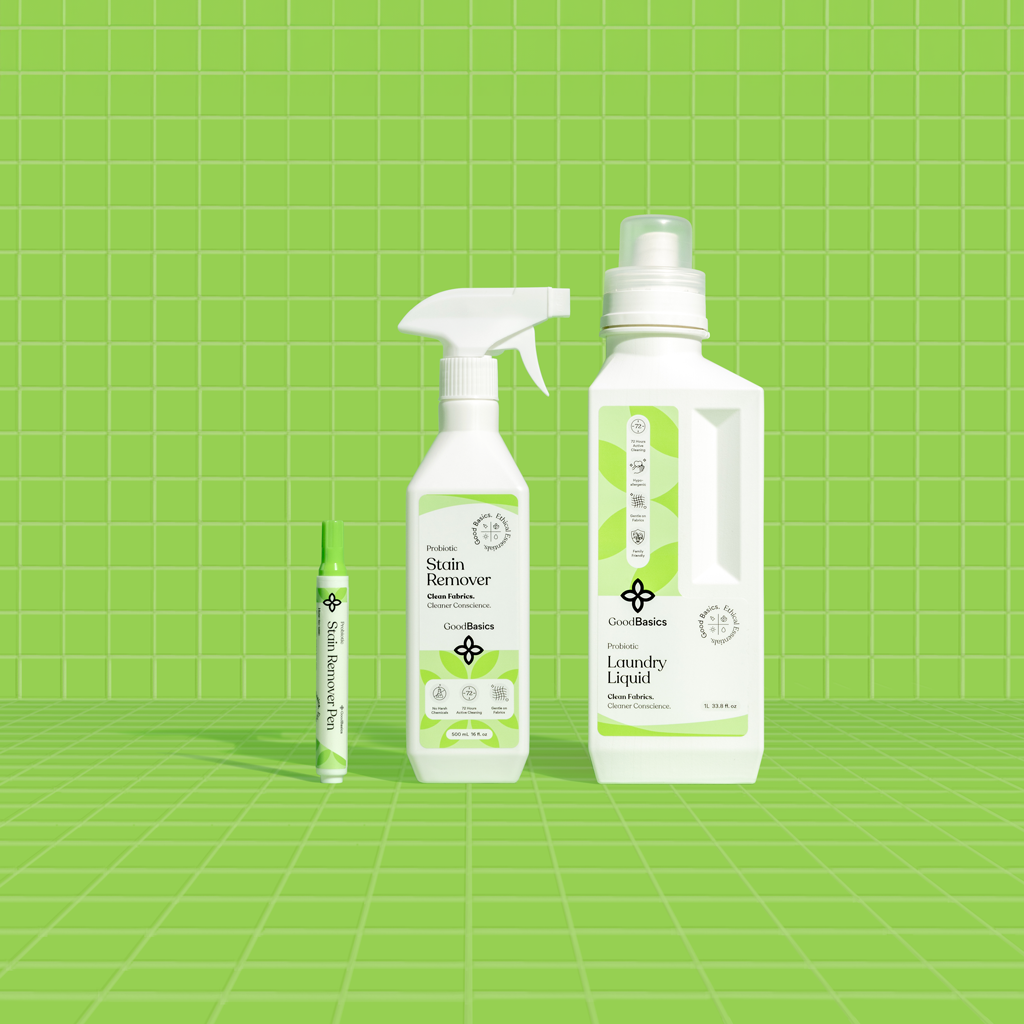
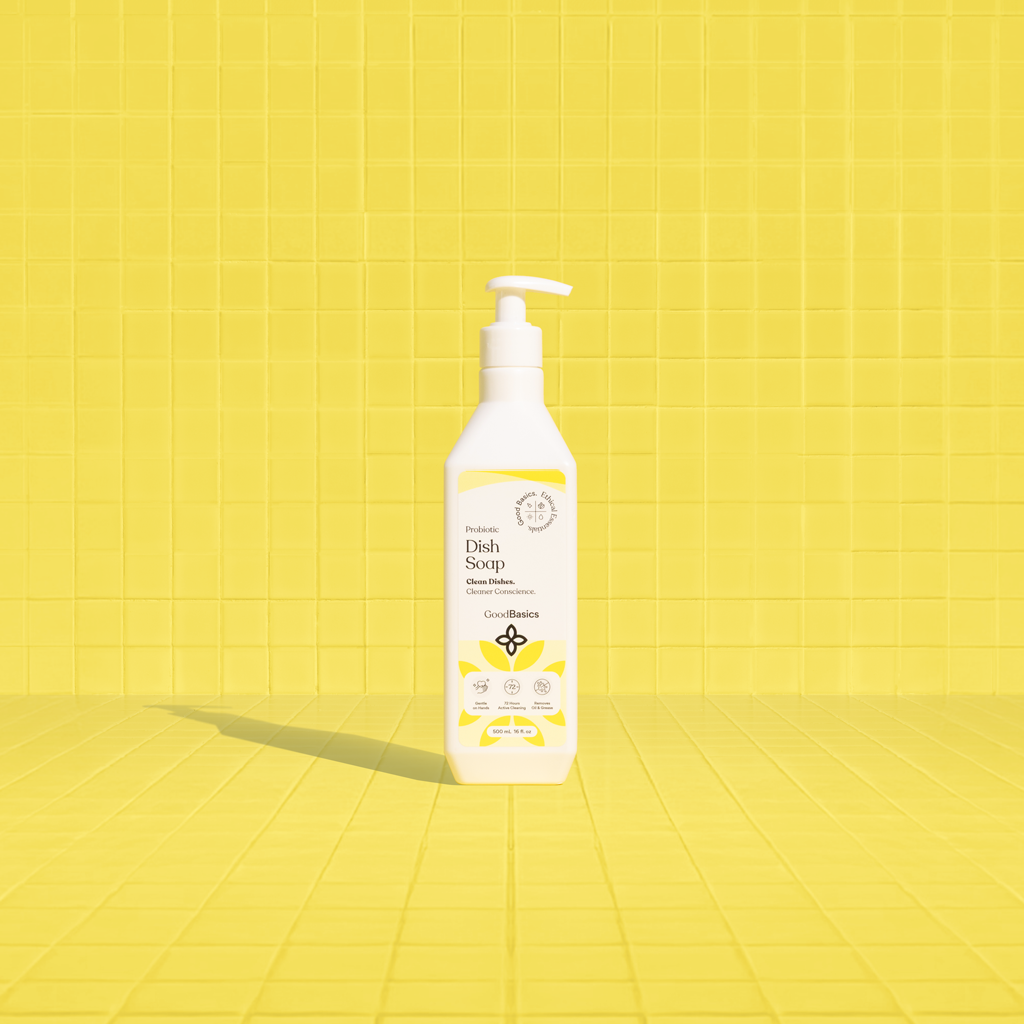
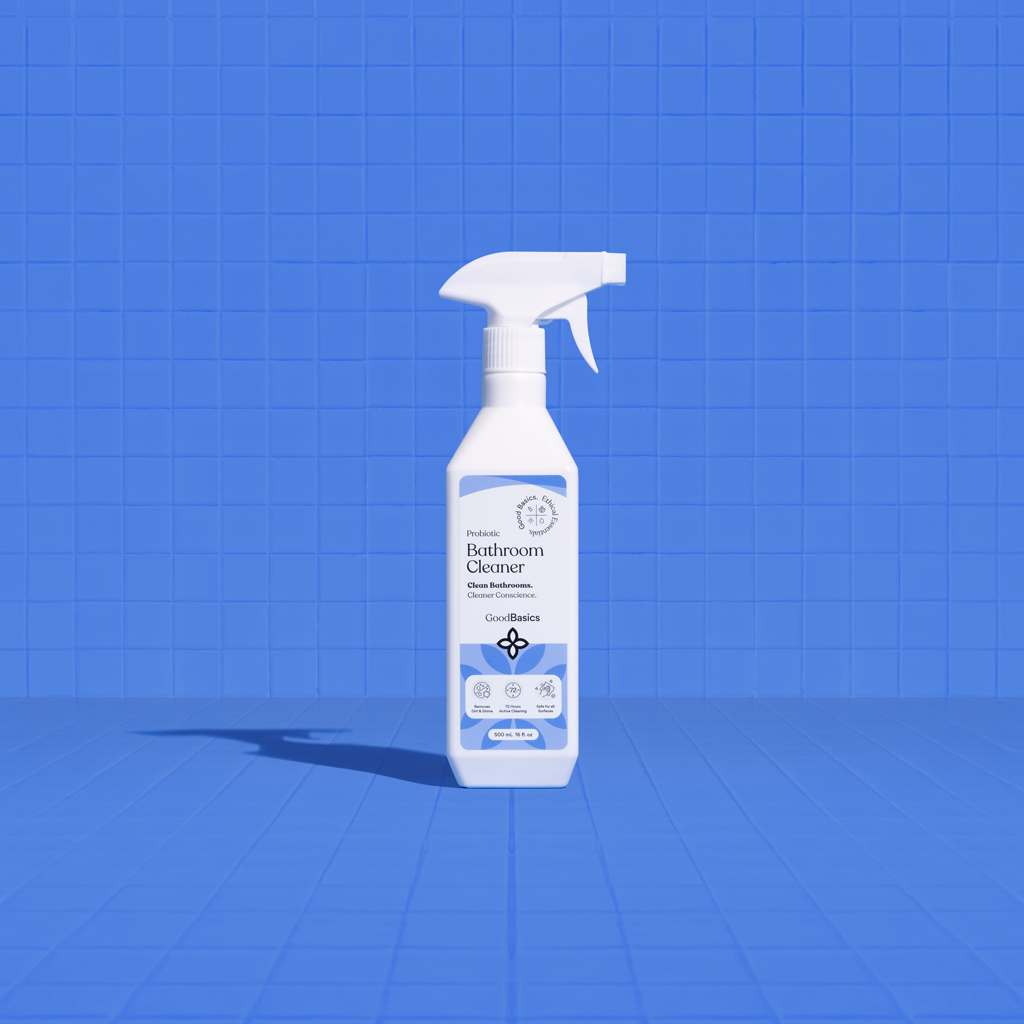
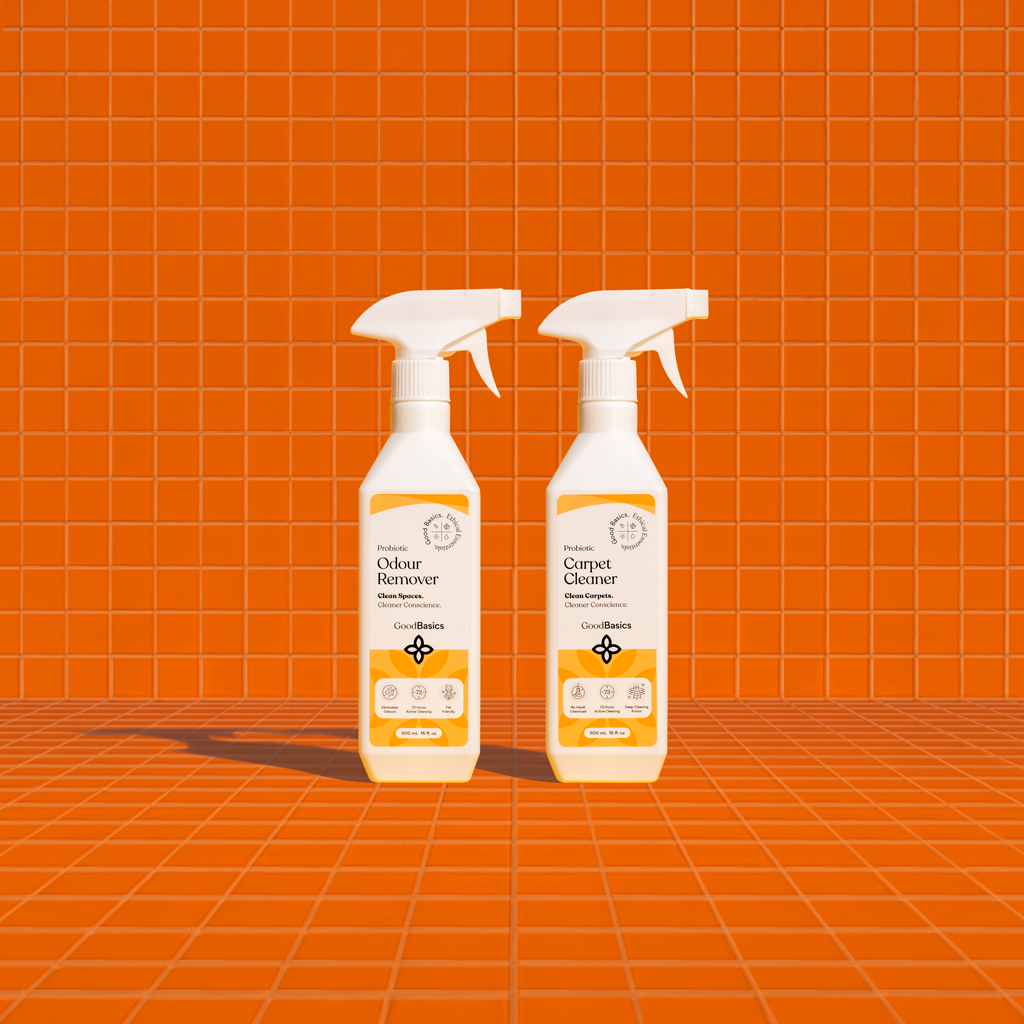
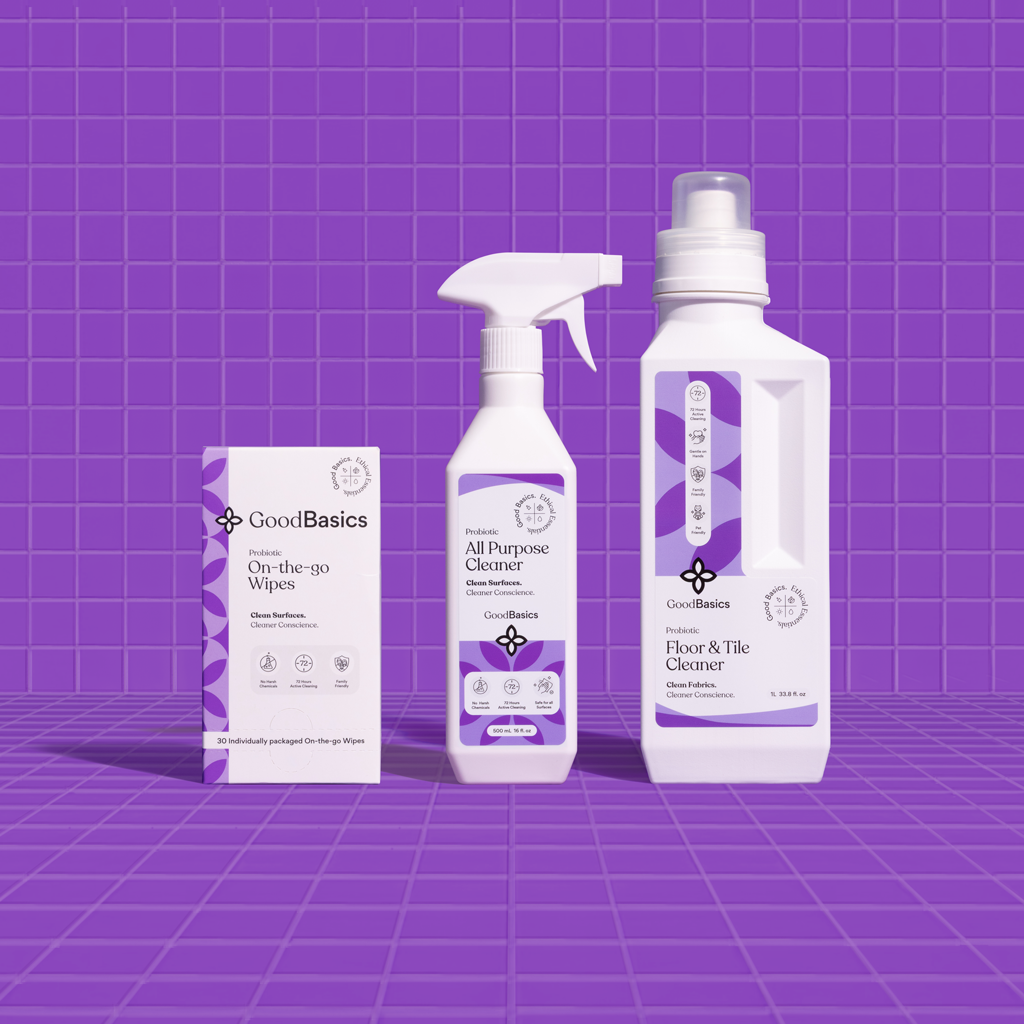
GoodBasics products rely on a combination of surfactants and probiotic bacteria to deliver results. Surfactants lift and remove dirt and oils, while beneficial microbes continue the work beyond the initial clean, breaking down residual organic matter and supporting a balanced microbial environment.
This dual approach allows for effective hygiene without the need for harsh, broad-spectrum chemicals. It also reduces the chemical load within the home, creating a gentler interface between product, person, and place.
Clean That Works With You
To be free from bleach, ammonia, and parabens is to reject the idea that cleanliness requires aggression. It is to recognise that our homes are living environments; complex, responsive, and deeply interconnected with our own health. By working with biological processes rather than against them, we move toward a form of cleaning that is as effective as it is sustainable over time.
References
-
Nazaroff, W.W., & Weschler, C.J. (2004). Cleaning products and air fresheners: exposure to primary and secondary air pollutants. Atmospheric Environment, 38(18), 2841–2865.
https://doi.org/10.1016/j.atmosenv.2004.02.040 -
Singer, B.C. et al. (2006). Cleaning products and air fresheners: emissions and resulting concentrations of glycol ethers and terpenoids. Indoor Air, 16(3), 179–191.
https://doi.org/10.1111/j.1600-0668.2005.00414.x -
Zock, J.P. et al. (2007). The use of household cleaning sprays and adult asthma: an international longitudinal study. American Journal of Respiratory and Critical Care Medicine, 176(8), 735–741.
https://doi.org/10.1164/rccm.200612-1793OC -
Mattila, J.M. et al. (2021). Enhanced formation of disinfection byproducts in indoor air during bleach cleaning events. Journal of Hazardous Materials, 403, 123708.
https://doi.org/10.1016/j.jhazmat.2020.123708 -
Salthammer, T. (2020). Emerging indoor pollutants. International Journal of Hygiene and Environmental Health, 224, 113423.
https://doi.org/10.1016/j.ijheh.2019.113423 -
Golden, R. et al. (2005). Safety assessment of parabens as used in cosmetics. Critical Reviews in Toxicology, 35(5), 435–458.
https://doi.org/10.1080/10408440490920104


Leave a comment
All comments are moderated before being published.
This site is protected by hCaptcha and the hCaptcha Privacy Policy and Terms of Service apply.